

By Setareh Kiumarsi
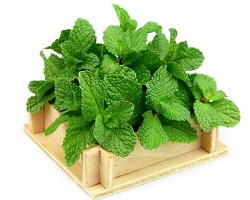
Since childhood, we’ve been told that whenever you have stomach pain, a headache, bloating, or other discomforts, drinking a small glass of mint distillate can help!
But did you know that mint and its products (like mint distillate, mint tea, fresh mint leaves in salads, etc.) have strong drying properties and are very potent laxatives? Mint is considered cold and dry in Ayurveda. In traditional Iranian medicine, mint is considered warm, but when you put a fresh mint leaf in your mouth or drink a cup of mint tea, your mouth feels cool.
Excessive consumption of raw mint products can dry the mucous lining of the digestive tract, loosen the lower esophageal sphincter, disturb Vata balance, and cause constipation?
So, how should mint and its products be consumed?
Drinking mint tea or a little mint distillate occasionally is fine and helps eliminate toxins and undigested phlegm from the digestive tract. However, daily consumption should be avoided, especially if you suffer from Vata-related issues such as constipation, dry body, joint dryness, anxiety, or restlessness.
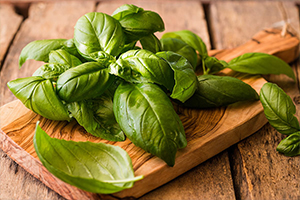
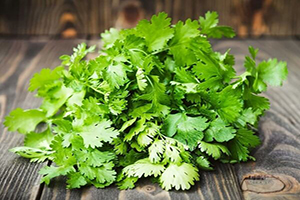
Do not consume mint raw in salads. It is better to cook mint with natural oils (like coconut oil, olive oil, ghee, etc.) and digestive spices (such as fennel, turmeric, cinnamon, cumin, etc.). Combining mint with warm vegetables also aids digestion. Ideally, mix three parts warm vegetables (like parsley, leek, fenugreek, tarragon, watercress, basil, spinach, thyme, rosemary, and savory) with one part cooling vegetables (like mint and coriander) for balanced consumption.