


By Setareh Kiumarsi
How should legumes be consumed?
Which qualities cold, hot, dry, or moist dominate in legumes such as fava beans, lentils, split peas, beans, mung beans, chickpeas, green chickpeas, and green beans?!
In most legumes, the cold and dry qualities dominate. Their drying effect is very strong; eating a bowl of lentil soup is like putting a dense sponge into a glass of water! it absorbs all the water…
Because of this, when there is a lot of undigested phlegm in the digestive tract (especially the large intestine), legumes act like medicine: they absorb this phlegm, drying and cleansing the intestines!
However, the drying power of legumes is so strong that if you consume them in large amounts or for several consecutive days, they can severely dry out the intestinal mucosa, increase Vata (air and ether), and expose you to various Vata imbalances such as constipation, dryness, joint and muscle stiffness, anxiety, restlessness, and overactive mind!
How to consume legumes to avoid these problems?!
• Cooking legumes in soups or stews makes them easier to digest. The watery nature of soups reduces their dryness, which also decreases bloating.
• People with chronic Vata imbalance, suffering from bloating, stomach swelling, or chronic constipation, should generally consume legumes sparingly. Ideally, legumes should not be consumed more than once every 7–10 days.
• Small legumes (like mung beans, lentils, and split lentils) are easier to digest than larger legumes.
• Always soak legumes overnight, change the water several times, and cook them with suitable oils (such as olive oil, ghee, or coconut oil) and digestive spices (like cumin, cinnamon, cardamom, fennel, galangal, thyme, rosemary, saffron, etc.). These steps reduce their cold and dry qualities and make them easier to digest.
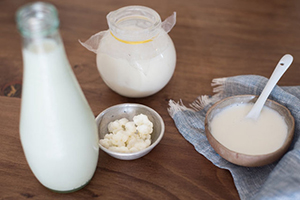
• In a single meal, legumes should not constitute more than 10–20% of your plate (for example, think of lentil rice). It’s also beneficial to drink a glass of warm digestive lassi with the meal. The Lassi adds warmth and moisture to the digestive tract, balancing the qualities of the legumes.
Please make sure to mention the author, “Setareh Kiumarsi,” if you share or republish this article, which was written with hope for everyone’s health and love.