



By Setareh Kiumarsi
Animal proteins are harder to digest compared to other foods. Therefore, when consuming them, it’s very important to know how much, in what way, and with which foods they should be eaten…and which combinations to avoid…?!
Think about your lunch plate: 10–15 spoons of rice with a large piece of chicken… or a plate of greasy pasta… or a cheeseburger with fries and a soft drink… or a steak with mashed potatoes and bread, or a plate of rice with a skewer of minced meat kebab!
Now let’s analyze a plate with a cheeseburger or steak. Red meat is warm and moist, fatty, heavy, hard to digest, and produces phlegm in the digestive tract. It’s sticky and difficult to digest like thick glue sticking around the meat, making digestion much harder!
Foods You Should Not Combine with Animal Proteins..?!
In general, animal proteins should not be combined with foods that are very phlegmy, sticky, or hard to digest. These include:
* Cheese
* Yogurt
* Eggs
* Potatoes
* Carbohydrates in large amounts (bread, rice)
Examples of problematic dishes:
* Cutlets (meat + egg + potato)
* Rice with kebab (red meat + a lot of rice)
* Pasta with meat, lots of white flour, and oil
* Lasagna (meat + white flour + cheese + sauce)
* Cheeseburger (meat + cheese + bread + fries)
Also: Do not consume yogurt with meat… this combination is considered toxic in Ayurveda.
Potatoes and Bread with Animal Proteins…?!
Potatoes are cold and dry. When eaten, they act like a cold wind on the digestive fire, slowing metabolism. While this can be helpful for hyperthyroidism, combining potatoes with hard-to-digest foods makes digestion even more difficult!
Bread (especially white bread) and rice are phlegmy and fill the digestive tract with mucus. Combining large amounts of animal protein with large amounts of carbohydrates increases heaviness and stickiness, turning the digestive system into a “sea of undigested phlegm.”
Combinations like cheeseburgers with fries or steak with mashed potatoes (often fried in poor-quality oil) are extremely hard to digest, they remain in the gut like stones and fill the body with toxins and undigested phlegm.
How to Eat Animal Proteins Properly…?!
Cook animal proteins with warm spices: saffron, turmeric, cumin, cinnamon, fennel, thyme, rosemary, etc.
For every three units of warm spices, use one unit of cooling spice: sumac, coriander seeds, rose petals, etc. This increases the digestive “fire” and aids protein digestion.
If using red meat, add sumac! it helps eliminate uric acid.
Grilled, stewed, or in soups is easier to digest than fried proteins.
Fried proteins, especially coated with flour (like fried chicken, schnitzel, nuggets), are much harder to digest because both oil and flour are sticky and phlegmy.
Which vegetables should be eaten alongside animal proteins…?!
Always eat vegetables alongside animal proteins. Most vegetables have drying and phlegm-reducing properties. When eaten with protein, they act like a sponge, absorbing phlegm and aiding digestion. They also make the digestive environment more alkaline, neutralizing the acidic quality of animal protein.
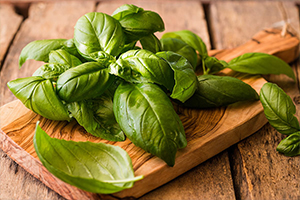
Warm vegetables: carrot, parsley, basil, spinach, bell pepper, leek, beetroot
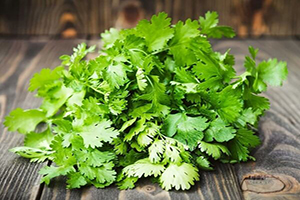
Cooling vegetables: celery, coriander, mung bean sprouts, zucchini, broccoli, cauliflower
The ratio of warm to cool vegetables should be 3 to 1, and the cool vegetables must always be cooked and spiced. Serve a digestive salad alongside your meal.
Example: If previously you ate 10–15 spoons of rice with a skewer of chicken, now eat 5–6 spoons of rice with one or two pieces of chicken and fill half the plate with a digestive salad.
If you have severe digestive issues or slow digestion, avoid combining animal protein with carbohydrates (rice or bread).
Meal planning tip: Alternate animal protein with vegetables and rice:
* One day: lunch with protein + vegetables
* Next day: rice + vegetable dish
Please make sure to mention the author, “Setareh Kiumarsi,” if you share or republish this article, which was written with hope for everyone’s health and love.