



By Setareh Kiumarsi
In Ayurveda, rice is considered cooling and moist, It’s gluten-free, anabolic (helps build and nourish body tissues), and has a kapha (phlegmatic) quality.
Contrary to what many Iranians believe, rice when cooked properly and eaten in moderation actually causes less weight gain than bread?!
Rice… Steamed (Kateh) or Drained (Abkesh)?
When you cook rice as Kateh (steamed with all the water absorbed), its vitamins and nutrients are preserved.
However, did you know that Kateh rice becomes stickier, produces more moisture and mucus (kapha), and is therefore ideal for children in their growth years or those who want to gain weight?!
When you cook rice as Abkesh (boiled and then drained), you remove the starchy water, which makes it lighter and less sticky.
That’s why Abkesh rice is easier to digest, less fattening, and better suited for kapha-type people or anyone with kapha imbalance (too much mucus or sluggish digestion)?!
How to Cook Rice for Better Digestion?!
Did you know that adding spices during cooking greatly helps digestion?!
It’s just like when you make a spiced pilaf (Dampokhtak)… the rice turns beautifully colored and aromatic?!
By adding spices, you’re essentially introducing the element of fire to every grain of rice, reducing its cold nature and making it lighter and easier to digest.
There are two ways to do this:
1. Add spices while the rice is boiling …this allows the flavor and benefits to penetrate every grain!
2. Add spices after cooking:
Heat a bit of olive oil or coconut oil in a pan, add your spice mix, sauté for a few minutes, then mix in the cooked rice and stir-fry well…similar to Indian or Chinese fried rice!
Which Spices to Add to Rice..?!
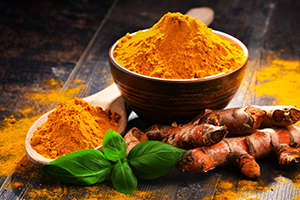
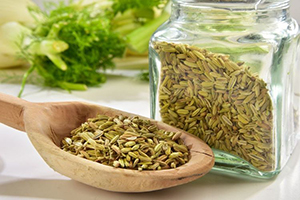
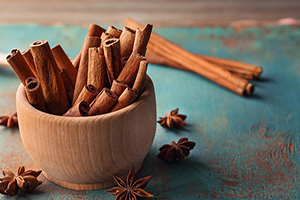
For every 3 parts of warm spices (like fennel, saffron, turmeric, cumin, cinnamon, cardamom, rosemary, thyme, etc.), add 1 part of cooling spice (like coriander seeds, rose petals, or sumac).
Here are two delicious spice mixes:
1. Mix 1:
3 parts turmeric + ¼ part saffron + ¼ part nutmeg + 1 part coriander seed
2. Mix 2:
1 part cinnamon + 1 part cumin + 1 part cardamom + 1 part dried rose petals
Is rice with fresh chopped vegetables Easier to Digest..?!
Yes!
When you add herbs to rice, they absorb its mucus-producing properties, acting like a sponge and helping digestion!
How much adding rice bran (either during cooking or after serving) improves digestion?!
You can sprinkle powdered bran over your rice… like a seasoning, or mix it in as it steams.
How Much Rice Should You Eat…?!
One serving spoon of rice equals about 10 tablespoons!
Two spoons? That’s 20 tablespoons!
Our stomachs aren’t that big!
We usually pile on rice, protein, and yogurt and that’s a lot to digest!
A balanced portion for lunch is about 5–6 tablespoons of rice (roughly 30% of your plate).
Those who are underweight can have 7–8 tablespoons, while those aiming to lose weight should stick to 3–4 tablespoons.
The rest of your plate should include:
20–30% protein (like beans, meat, or eggs)
40–50% vegetables
Vegetables high in fiber act like a sponge, absorbing the heaviness of rice (and other carbs or proteins) and making digestion much smoother.
Please make sure to mention the author, “Setareh Kiumarsi,” if you share or republish this article, which was written with hope for everyone’s health and love.