


By Setareh Kiumarsi
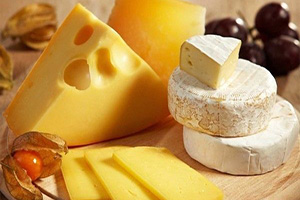
Cheese lovers are everywhere in the world… and you often hear them say things like:
“Is there anything more delicious than cheese?” or “I can’t start my day without bread and cheese!”
Cheese, due to its fermentation process, is full of beneficial bacteria that can help digestion and nutrient absorption. It can also soothe the digestive tract, tighten the stomach, and reduce appetite.
But why do most traditional medical systems advise against eating cheese daily?
Because cheese is highly sticky and phlegm-producing (Kapha-forming), rich in fat and sodium, and far from light food. It takes a long time to digest, makes the small intestine very sticky, promotes weight gain, and worsens constipation.
People suffering from migraines, skin problems, acne, acid reflux, or gastric ulcers should completely remove cheese from their diet.
Cheese in Ayurveda…
In Ayurveda, eating cheese (and yogurt) for breakfast or dinner is not recommended…
Combining cheese with animal proteins or eggs is considered very heavy, hard to digest, and toxic!
That means foods like cheeseburgers, lasagna, pizza, or pasta with meat are considered full of toxins in Ayurveda…. Even cheese and almonds together are seen as an incompatible (toxic) combination.
Fruits are digested very quickly, while cheese digests slowly so combining them (like the popular “bread, cheese, and watermelon”) creates severe digestive imbalance.
Cheese has a Kapha nature heavy, moist, and sticky. People who naturally have high Kapha dosha or Kapha imbalance (such as those with excess weight, high blood sugar or cholesterol, hypothyroidism, respiratory issues, allergies, PCOS, depression, or sluggishness) should either avoid cheese completely or limit it to once or twice a week.
How and When to Eat Cheese
Cheese is heavy and sticky, and so is bread… especially white bread.
Combine the two, and you get a dense, glue-like mass that’s hard to digest and turns into fat and undigested mucus.
The best way to eat cheese is to pair it with fresh vegetables or salad.
Think of a Greek salad full of greens, olives, and a few cubes of cheese… or a vegetable dish flavored with cheese instead of meat.
The fiber in vegetables absorbs the mucus-forming quality of cheese, making it lighter and easier to digest.
So when you eat bread and cheese, be sure to add a handful of fresh herbs like parsley or basil.
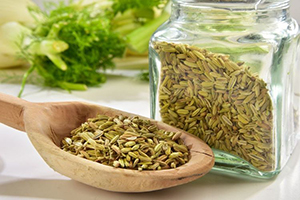
Sprinkle digestive spices on your cheese… such as cumin, rosemary, black seed (nigella), fennel, or coriander seeds.
Don’t eat more than two finger-lengths of cheese in one sitting.
Have it as a snack (like a small bite with herbs and bread) or at lunch with plant-based dishes… but never with animal protein or eggs.
Which Cheeses Are Easier to Digest?
Old and salty cheeses with dense texture are the hardest to digest.
Soft, low-salt cheeses that include herbs and aromatic spices (like rosemary, dill, basil, cumin, etc.) are much easier on the stomach.
Sheep cheese digests more easily than cow’s cheese… and goat cheese is the lightest and easiest to digest of all.
Please make sure to mention the author, “Setareh Kiumarsi,” if you share or republish this article, which was written with hope for everyone’s health and love.