

By Setareh Kiumarsi
“I got COVID… now what can I do to recover faster and avoid ending up in the hospital? How do I make sure my body doesn’t become a hospitable host for this virus and can defend itself better?”
As noted in many studies on the coronavirus, one of the virus’s favorite spots to settle in is the lower part of the lungs. If your bronchial tubes are already filled with phlegm and undigested mucus when the virus enters your system, it will happily lodge there and won’t easily leave its cozy, food-rich environment.
There are certain foods that not only weaken the immune system but also fill the lungs with phlegm. So, if your body is fighting this virus, it’s extremely important to follow a cleansing diet for a few days and completely avoid these foods. But which foods are we talking about?
Foods containing sugar (like sweets, cakes, packaged cookies, desserts, sodas, ice cream, etc.), gluten-containing products especially white flour (such as white flour baguette, pasta, lasagna, pizza, cakes, etc.), full-fat cow dairy (especially cheese, yogurt, cream, clotted cream), hard-to-digest animal proteins (beef, veal, pork, and seafood), hydrogenated oils, vegetable oils, fried foods, iced drinks, frozen fruits, and so on.
Also be mindful of very sweet fruits (like banana, fig, dates, melon, cantaloupe, honeydew, grapes), as they are rich in mucus-producing elements and fill the lungs with moisture; so they should not be consumed while infected with COVID.
So, what should we eat?
To help the body—especially the lungs—get rid of the coronavirus faster, alongside standard medical treatment, we need to cleanse the digestive system and lungs from undigested mucus and toxins. When toxins and phlegm are absent from the body, the sneaky virus is left hungry and packs its bags to leave.
Which foods cleanse the body from toxins and phlegm?
Vegetables and high-fiber foods!
Vegetable Soup
If you’ve contracted COVID, make a vegetable soup:
Start with a little olive oil and sauté some onions. Add saffron, turmeric, and coriander seeds.
Toss in a small piece of chicken breast, then add carrots, parsley, cilantro, and celery. The amount of carrot and parsley should be twice as much as cilantro and celery. You can also add some quinoa or rolled oats. Add another touch of saffron, turmeric, and coriander seeds.
Make sure about 70% of your pot is vegetables, and only 30% chicken and quinoa. Flavor with fresh lemon juice.
Daily Routine
- First thing in the morning: Drink a large glass of warm water with a few drops of lemon juice and a pinch of salt.
- For breakfast, lunch, and dinner, eat only a bowl of the soup mentioned above.
Two Hours After Each Meal
- If you have a fever: Every hour, drink one cup of lemon honey water (1 cup warm water + a few drops of lemon juice + 1 spoon honey) or chamomile tea.
- If you don’t have a fever: Every hour, drink either lemon honey water or a cup of herbal cold/flu tea or digestive tea.
Snack
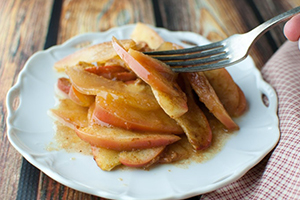
Only eat one bowl of stewed apple or pear, or one or two dried apricots.
You can also heat apple juice until it foams, add a pinch of fennel, cardamom, or saffron, let it cool, and drink it 2–3 times a day as a snack.
- Follow this cleansing diet for at least 3–4 days, and under no circumstances consume dairy, carbs (bread, rice, sweets, etc.), or sugar during this time.
- This diet acts as a kind of fast and may lower your energy levels. So get plenty of rest and avoid physical exertion during these days.
- After finishing this diet, try to avoid heavy and mucus-producing foods (especially those mentioned at the beginning of this article) for at least one week, so your immune system can recover and fully fight off the virus.
Stay full of health.
Please be sure to credit the author, Setareh Kiumarsi, when sharing or republishing this article, which was written with love and the hope of well-being for all.