


By Setareh Kiumarsi
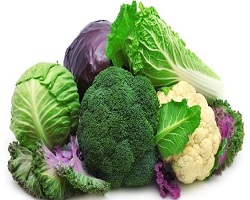
These days, vegetables like cauliflower, broccoli, celery, and lettuce are very popular… because they are considered anti-inflammatory, antioxidant-rich, cancer-preventive, and fat-burning. So whenever someone decides to eat healthier, they start drinking celery juice and eating salads full of lettuce and various cruciferous vegetables. Then what happens? They find themselves bloated, their body feels cold, digestion slows down, and instead of losing weight, their metabolism becomes sluggish…. But why? Weren’t these vegetables supposed to be the kings of health?
Which vegetables are we talking about exactly?
Vegetables such as:
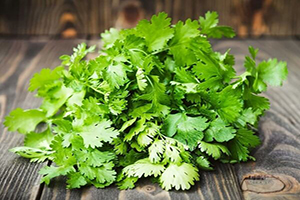
Endive, broccoli, potato, bitter gourd, lettuce, Brussels sprouts, white cabbage, red cabbage, celery, kale, coriander, cauliflower, green beans, mung bean sprouts, green chickpeas, and mint (yes! In Ayurveda, mint is considered cold and dry… despite the cooling sensation in the mouth when eaten fresh).
In Ayurveda, the vegetables above are considered cold and dry. They are naturally designed to cool the digestive tract, reduce inflammation in the body, and slow metabolism. That’s why people with overactive thyroid are often prescribed cauliflower or broccoli soup, whereas people with underactive thyroid are advised to avoid cruciferous vegetables.
Since most people today suffer from slow metabolism due to poor diet, sedentary lifestyle, and unhealthy habits, it’s important to understand the proper way to consume cold and dry vegetables to avoid excessive cooling of the body and slowing metabolism.
What happens when consumed incorrectly?
Cold and dry vegetables have a strong drying effect. When eaten in large amounts, raw, alone, and without balancing agents, they damage and severely dry out the intestinal lining.
For example, eating a plate full of raw cauliflower, broccoli, celery, and lettuce: the fiber helps move stool through the intestines, but it’s like putting a dense sponge into your digestive tract. It absorbs the intestinal mucosa, severely drying it out. This dryness makes even soft foods difficult to move through the intestines, trapping air in the stomach and bowels. Vata dosha becomes highly imbalanced, causing bloating, burping, chronic constipation, anxiety, fear, restlessness, and insomnia.
The cold nature of these vegetables weakens digestive fire, slows metabolism, and can reduce thyroid activity. That’s why these vegetables are considered helpful for overactive thyroid. Eating them raw every day may reduce appetite (because digestive fire is suppressed) but simultaneously slows metabolism and can lead to weight gain.
So how to consume cold and dry vegetables properly?
Cook them with suitable oils such as ghee, sunflower oil, coconut oil, olive oil, or canola oil.
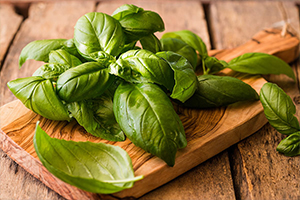
Add warming spices. For every 3 parts of warming spices (fennel, turmeric, cardamom, cinnamon, cumin, oregano, basil, thyme, rosemary, black seed, galangal, saffron, etc.), add 1 part cooling spice (coriander seed, rose petals, sumac, dried lime powder, unripe grape powder, mint).
Cooking with natural oils balances their dryness, and spices “ignite fire beneath” them, reducing their coldness.
Instead of salads made entirely of raw cold vegetables (lettuce salad, Caesar salad, Shirazi salad, etc.), choose salads made of a combination of raw warming vegetables (carrot, parsley, basil, spinach) and cooked, spiced cold vegetables (digestive salads).
Stay healthy.
Please make sure to mention the author, “Setareh Kiumarsi,” if you share or republish this article, which was written with hope for everyone’s health and love.